News archive
UHT milk, shelf life and nutrition
How UHT heating and aseptic packaging allow unopened dairy products to be stored at room temperature when the process and package are validated.
Storage and distribution
This archived article compares fresh refrigerated milk with UHT dairy products built for room-temperature storage. Unopened UHT milk can ship and sit at ambient temperature only when the heat treatment, sterile pipe transfer, and sealed package are validated together as one system.
Room-temperature distribution can help reach markets with limited refrigerated storage. Storage life depends on the recipe, treatment, package, and conditions along the route. Once a package is opened, the storage instructions for that product apply.
Heat treatment and aseptic filling
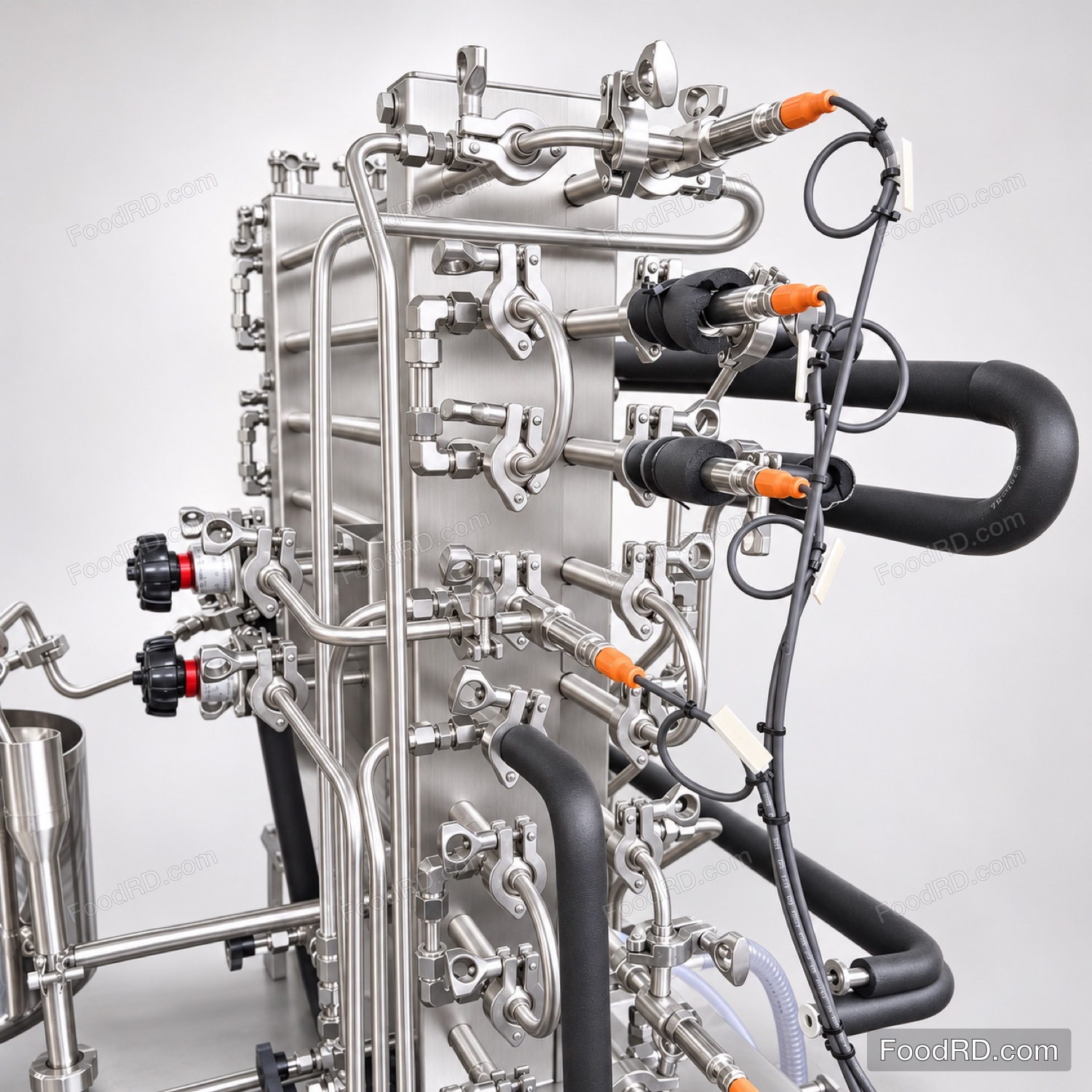
UHT processing heats milk to a high temperature for just a few seconds and quickly cools it. Engineers design the line around how long the milk actually stays hot and how the specific dairy recipe flows, while aseptic pipes and fillers keep microbes out until the pack is sealed.
A pilot line lets your team compare different heating methods and collect packaged samples under recorded settings. These pilot runs help you spot issues before scaling up, though commercial production still requires validating the final factory line, recipe, and package.
Nutrition and product quality
Holding high heat for only a few seconds helps reduce microbes while limiting heat damage to the milk. The archived article discusses dairy proteins, fats, and minerals, noting that any change in nutrients or flavor depends on the specific recipe and total heat exposure.
Samples made from the same recipe under recorded conditions make it possible to compare flavor, color, texture, separation, and nutrient levels. Nutrient claims depend on evidence for that recipe and its intended storage conditions.
Package design and use
While ambient distribution makes shipping easier, the package must still fit how customers pour and use the product. Strong seals and intact barrier layers are essential during storage tests so leaky packages do not ruin your sample comparisons.
A pilot filler connects heating records to sealed samples that can be checked weeks later. The package type and filler settings, recorded alongside the heating data, help explain changes during storage.
Energy across the supply chain
The archived article notes that shipping unopened UHT milk without refrigeration can cut cold-storage energy use. However, a true energy comparison must also count factory steam, cooling water, packaging materials, and shipping distance, which vary widely by plant and product.
Pilot trials compare heating, cooling, and filling before a team commits to full-scale equipment. Claims about factory energy savings or environmental impact depend on data from the commercial supply chain.
What a dairy pilot run can show
Development teams can test one process change at a time while keeping the recipe and sampling method the same. The equipment records help explain changes in taste, color, texture, and stability.
Packaged samples inform the next trial and early factory planning. How closely they predict factory results depends on matching heating, flow, and mixing forces between the pilot and full-scale lines.